Cooking with Gas (CWG) Summer Series: What is CWG?
“Now we’re cooking with gas” is the kind of expression people say without thinking twice or considering where it came from. This term has been used for generations to indicate things running smoother, faster, easier or more effectively.
“Cooking with gas” was popularized in the late 1930s and early 1940s as home cooks were making the switch from wood- or coal-burning stoves to natural gas. Natural gas is cleaner, faster, and easier to control, so it was considered a luxury upgrade from the traditional cooking methods. The phrase, nodding at the convenience and the effectiveness of natural gas as a cooking fuel, spread everywhere and quickly entered the broader American vernacular.
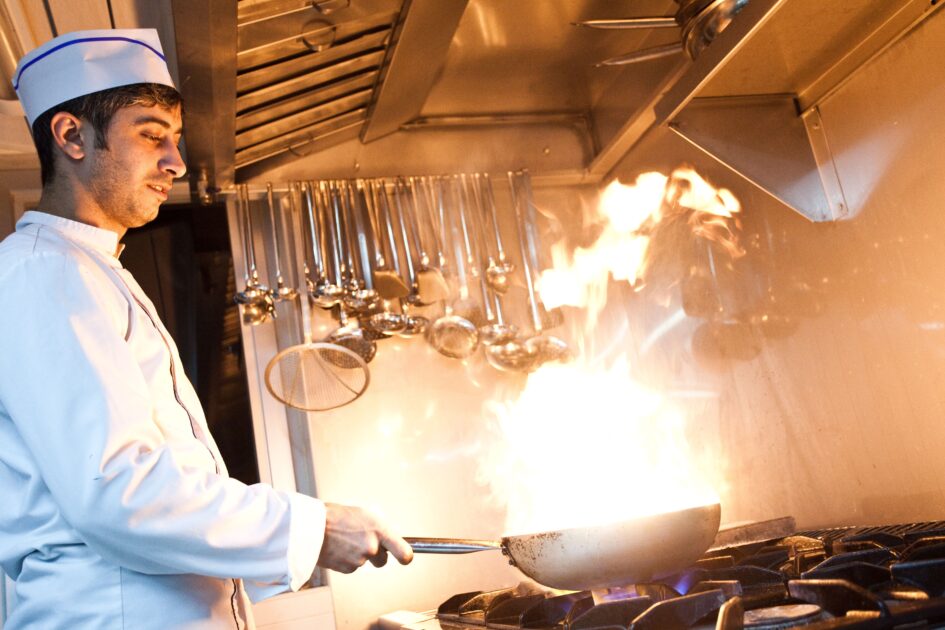
The phrase stuck because it captured something real. Natural gas cooking is known for efficiency and precision. Many chefs echo this sentiment in practical terms — like Chef Garrett Green, who said he cooks with natural gas because it stays nice and hot, enabling the kitchen to stay consistent and keep up with customer demand.
Even for home cooks, the appeal often comes down to control. Being able to adjust heat instantly or bring a pan up to temperature quickly reinforces the idea that cooking with gas means working at your best. Chef Mike DeCamp found that the reliability, the temperature control, cooking simple things and just knowing the heat source is always there are just a few ways that natural gas is beneficial for him and his team.
It’s easy to see how “Cooking With Gas” became synonymous with speed and efficiency. In the fast-paced restaurant industry, chefs demand the quickness, control and reliability of natural gas. And just like our Cooking with Gas chefs, you can cook with precision at home and try some chef-original recipes on your natural gas stove. Follow our Cooking with Gas series this summer to learn how you can cook like a pro with natural gas.