From Field to Garden: Natural Gas Helps the Spring Growing Season
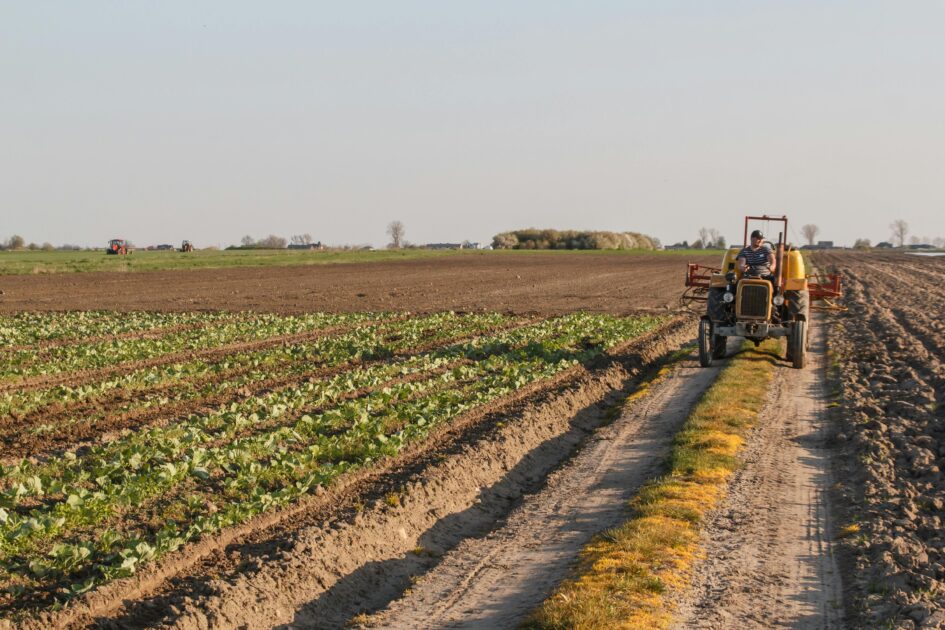
Spring marks the start of the growing season, when fields are prepared, gardens are planted, and food production increases across the country. This new season of growth and renewed activity across farms and gardens is driven by more than just soil, seeds, and sunshine. Natural gas plays a key role through fueling fertilizer production and supporting the energy needs that help crops get started. As an essential component of agriculture, natural gas helps support healthier crops and more productive growing seasons.
Natural gas is a critical part of American agriculture, with an impact that can be felt through the entire food production cycle. One of its most important uses is as a feedstock for ammonia, which is used to make nitrogenous fertilizer. Nitrogenous fertilizer is a foundational component of modern agriculture and is especially important during spring planting, when growers are laying the groundwork for the entire growing season. Without reliable access to these fertilizers, crop productivity would be significantly affected.
This connection between energy and agriculture does not stop at large-scale farming. Each spring, many take part in home gardening by planting vegetables, herbs, and flowers in backyards, balconies and community gardens. Many home gardeners rely on the same agricultural systems that support commercial food production to produce homegrown success, including fertilizers produced using natural gas. In this way, natural gas plays a role not only in feeding the nation, but also in supporting personal gardening and local food efforts.
The agriculture sector accounts for nearly 15 percent of U.S. commercial and industrial natural gas demand. Just five agricultural subsectors consume more than 2 trillion cubic feet of natural gas each year. This is nearly equivalent to the annual consumption of California, the country’s second-largest natural gas–consuming state. America’s farms and ranches have benefited from the growth in U.S. natural gas production, and there is a direct connection between the availability of low-cost natural gas and the price of food on grocery store shelves. Greater domestic natural gas supply has helped keep energy costs more affordable, supporting farm operations and contributing to more stable food prices.
Beyond food production, natural gas also supports economic activity throughout the agricultural supply chain. The U.S. agrochemical sector supports approximately 344,000 jobs, contributes $51 billion to U.S. gross domestic product, and generates $6 billion in state and local tax revenues. As spring planting moves forward, these connections show how natural gas supports growth not only in fields and gardens, but across the broader economy.