From Pitch to Pipeline: Fueling the World Cup Experience
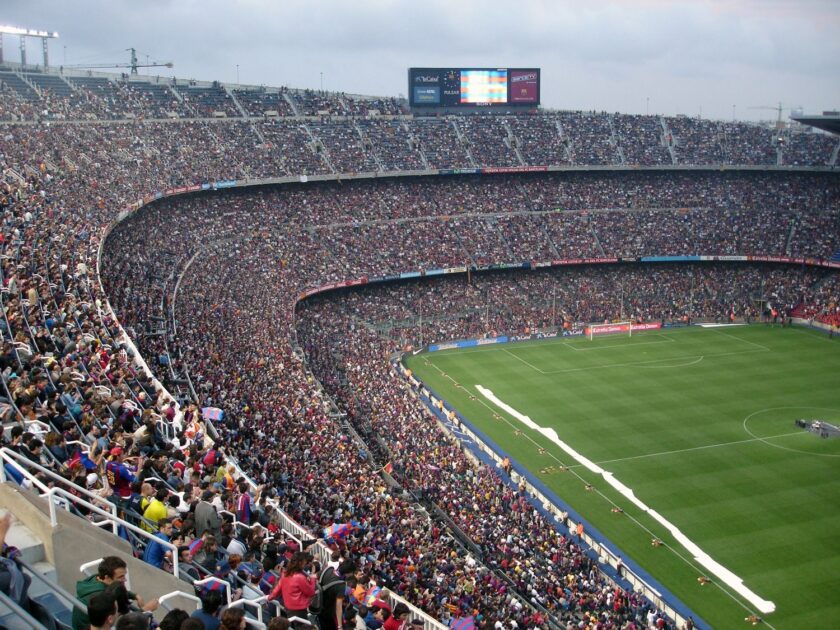
The 2026 World Cup is poised to electrify fans across the United States, with 11 cities hosting 78 matches, including the final at MetLife Stadium in New Jersey. From east coast to west coast, these events aren’t just elite matches; they are a vibrant stage for player performance, fan experience and even natural gas.
🎉 Attendee Experience & Stadium Comfort
Fans will encounter distinct local atmospheres in each host city. In Miami’s Hard Rock Stadium, match days will fuse football frenzy with tropical flairs with air-conditioned club levels, shaded seating, and chilled refreshments to turn scorching matchdays into enjoyable summer spectacles.
In MetLife Stadium, fans can relish modern amenities and efficient transit systems. Philly’s Lincoln Financial Field offers devoted soccer crowds a gritty, no-frills atmosphere, and the roar of supporters resonates with natural intensity. All these stadiums rely heavily on natural gas to maintain comfortable environments from indoor hospitality areas to player lounges.
With the nation’s natural gas pipeline system spanning 2.8 million miles, delivering reliable, efficient energy to 189 million customers daily without compromising supply during major events is a no-brainer.
🔥Natural Gas in Host States
The natural gas utility industry is seeing rapid growth in new residential natural gas connections in some of the country’s host states.
In 2023, Texas led the country with 100,925 new residential natural gas connections, signifying robust infrastructure in Dallas, Houston and Arlington.
California, home to SoFi Stadium and Levi’s Stadium, added 75,427 residential natural gas users, reflecting a strong foundation for heating, cooling, and hospitality operations.
New York and New Jersey, hosting the final at MetLife Stadium, rank among the top states in natural gas consumption and utility growth, helping ensure energy reliability during the tournament. New Jersey itself saw 29,192 new residential connections in 2023, fueling venues and fan zones around the World Cup final site.
Leading host states enjoy a diversified, resilient natural gas network spanning billions of cubic feet annually across residential, commercial, industrial, and electric generation sectors.
🌍 Sustainability & Community Impact
Natural gas isn’t just a workhorse; the industry is consistently advancing and innovating. Modernizing underground pipelines, increasing efficiency, and cutting emissions is the industry’s commitment to all customers. Fans and players alike benefit from familiar, game-day comforts of hot showers, air-cooled lounges and efficient food service without worrying about brownouts or interruptions.
During major events like the World Cup, energy reliability is critical. The natural gas delivery system is 92% efficient from production to customer, which ensures stadiums remain fully operational even when tens of thousands gather.
As the eyes of the world turn to U.S. stadiums in 2026, the synergy between world-class soccer and dependable natural gas infrastructure is clear. Players stay cool and perform at their best. Attendees enjoy seamless comfort, and communities showcase how energy reliability supports global events, even in the summer heat.