New England is Special – And Crippled by Infrastructure Constraints
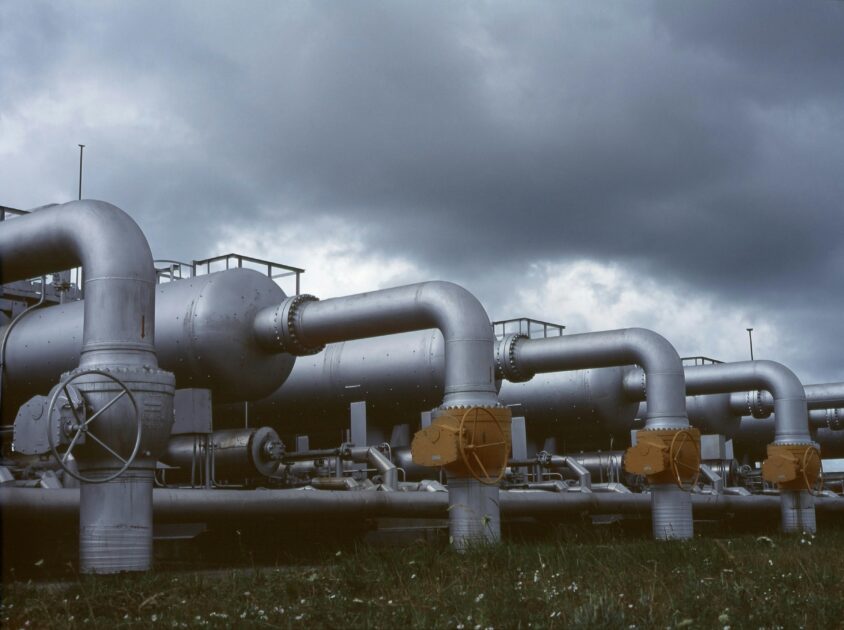

Natural gas underpins the energy system for most of the United States. That’s no less true in New England, where natural gas supplied critical energy during Winter Storm Fern. New England, like all of America, needs natural gas. Unfortunately, New England is grappling with infrastructure constraints largely unseen in the rest of the country. The consequences include higher energy prices and a less reliable system, particularly during winter storms where reliability is a literal lifesaver.
America is fortunate to have large reserves of natural gas, with shale fields like the Bakken, the Marcellus and various others scattered across the country. For New England, the closest relevant field is in Pennsylvania. That’s a relatively short distance to lay a pipeline. The geography itself is perfectly viable – no need to worry about routing a line over a mountain range, for example. Indeed, some pipelines do exist between Pennsylvania and New England. However, due to state policies and permitting roadblocks, there simply aren’t enough to fully meet demand.
Natural gas is the most affordable option for home heating in America and is projected to remain between half and a third the cost of alternatives like electricity through at least 2050. In New England, where frigid temperatures can make electric heat pumps significantly less efficient, natural gas offers even greater benefits.
Because New England lacks sufficient capacity to import enough natural gas by land, it is forced to rely on a combination of importing LNG by ship and making up the difference between supply and demand by switching to heating oil during peak demand periods. Both options come with higher costs and emissions than is the case with natural gas from pipelines. They also come with costs to reliability.
During cold snaps, New England natural gas prices can spike to multiples of Henry Hub prices during pipeline bottlenecks, and ISO-New England has repeatedly warned that winter fuel security remains a structural concern. For New England families and businesses, this means high energy costs and an economy lacking in investments for new manufacturing.
New Englanders deserve better. They should have access to the same safe, affordable and reliable energy that the rest of the country does.
Policymakers must get out of the way of energy infrastructure and end the blockade against new natural gas pipelines into New England. When New England is tied fully to the national energy system, families and businesses will benefit from lower costs for natural gas and a more reliable energy system. That means lower bills at home, lower costs for goods, and more blue-collar jobs. Addressing the shortage of critical infrastructure should be a priority at both the state and federal level – because New Englander’s deserve reliable and affordable access to natural gas, and all the benefits that come with it.