A Blueprint for What’s Next
A Blueprint for What’s Next
In an industry increasingly defined by innovation and evolving energy solutions, Washington Gas is demonstrating how natural gas can play a central role in the next generation of high-performance homes.
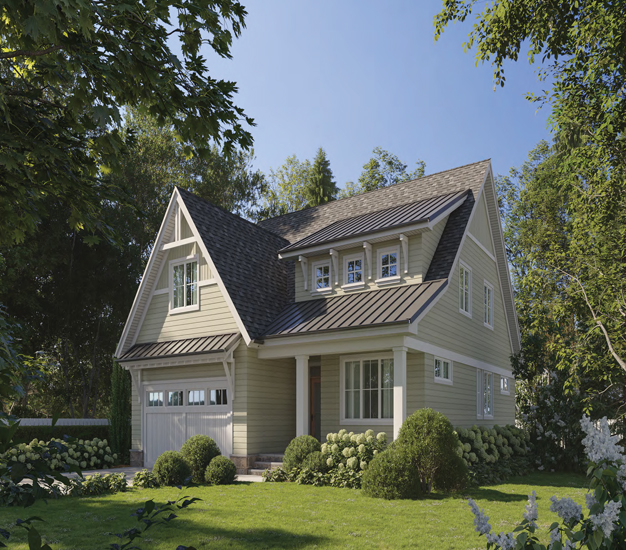
Construction of the company’s first net-zero energy home in Alexandria, Virginia, wrapped in June and represents more than a single project. It is a tangible proof of how utilities, builders and energy technologies can come together to deliver efficient, resilient and affordable housing without sacrificing comfort or style.
A net-zero energy home produces as much energy as it consumes over the course of a year. That balance is achieved through a combination of advanced construction techniques, high-efficiency systems and on-site renewable generation.
Central to this concept is the HERS Index, a nationally recognized metric for measuring residential energy performance. A typical home built to mid-2000s standards scores around 100, while a true net-zero home achieves a score of 0. Washington Gas’ Alexandria project is designed to meet that ambitious benchmark, underscoring the feasibility of ultra-efficient housing in today’s market.
While net-zero homes are often associated with electrification, Washington Gas is taking a broader view, one that highlights the complementary role of natural gas alongside renewables. “This home is a real‑world example of the important role natural gas can play in delivering a more efficient, lower‑emissions future,” said Washington Gas’ vice president of customer service, Michelle Musgrove.
In this home, high-efficiency natural gas systems support key energy loads such as space heating and water heating—two of the largest drivers of residential energy consumption. By pairing these systems with solar generation, advanced insulation and programmable thermostats, the home achieves both efficiency and reliability.
The approach offers several advantages:
- Lower overall energy use and reduced utility costs
- Reliable performance during peak demand or electric outages
- Consistent, year-round comfort
- High-efficiency appliances that enhance everyday living
“Residents shouldn’t have to choose between energy efficiency and reliability—and with high‑performance homes like this one that integrate multiple energy sources, they don’t have to,” Musgrove says. Rather than competing with renewable energy, natural gas is positioned as a partner, helping balance performance, affordability and resilience.
Net-zero construction is as much about the building envelope as it is about energy systems. The Washington Gas home incorporates high-performance insulation, tight air sealing, efficient windows and smart technologies. The result is a home that not only minimizes energy use but also improves the homeowner experience—reducing drafts, maintaining consistent temperatures and supporting modern design preferences. From ENERGY STAR® appliances to efficient gas fireplaces and cooking equipment, the home demonstrates that sustainability does not require compromise.
For other natural gas utilities, the Virginia project offers four important takeaways:
1. Lead Through Demonstration
Pilot projects provide a powerful way to move beyond theory. By building and showcasing a net-zero home, Washington Gas creates a real-world example that policymakers, builders and customers can see and understand.
2. Embrace Hybrid Energy Solutions
The future of housing is unlikely to rely on a single energy source. Integrating natural gas with renewable technologies allows utilities to remain relevant while supporting broader decarbonization goals.
3. Partner Early and Often
Collaboration with builders, energy raters and technology providers is critical. From design through construction, coordinated planning ensures that efficiency targets—like a HERS score of 0—are achievable.
4. Focus on Customer Value
Energy efficiency must translate into tangible benefits: lower bills, greater comfort and long-term home value. Framing innovation through the customer lens helps drive adoption.
Washington Gas’ net-zero home is not an endpoint but rather a starting point. “Washington Gas is proud of the innovative work behind this home and will continue to help shape an inclusive and sustainable energy future,”says Musgrove.
As demand grows for sustainable housing, utilities have an opportunity to redefine their role, moving from energy providers to energy partners. By combining innovation, collaboration and a willingness to challenge assumptions, projects like this illustrate a clear path forward: one where natural gas, renewable energy and high-performance construction work together to deliver the homes of the future.