Winter Heating Season Performance
Reliable natural gas service is especially important during the winter heating season, when colder temperatures drive higher energy consumption for space heating in homes and businesses. Natural gas local distribution companies (LDCs) plan months and years in advance to meet customer needs during normal winter conditions, peak demand days, and extreme cold-weather events.
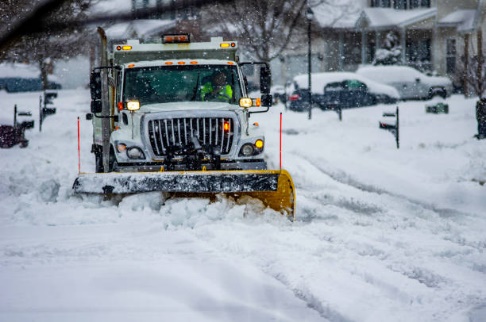
AGA’s 2023-2024 Natural Gas Utility Winter Performance Report examines how natural gas utilities prepare for and perform during the winter heating season, defined as November 1 through March 31. The report provides insight into the supply planning practices, contracting strategies, storage utilization, price-risk management tools, and operational measures used by LDCs to maintain reliable service during periods of elevated demand.
The analysis is based on data collected through AGA’s Winter Heating Season Performance Survey, which gathers information from AGA member LDCs on winter supply planning and operational performance. The survey asks member companies about peak-day and peak-month supply practices, pricing mechanisms, contract structures, regulatory frameworks, market hedging practices, storage use, transportation arrangements, and operational tools used to manage winter system conditions. Each winter heating season is unique, and the survey helps identify how utilities adapt their planning, procurement, and risk-management strategies in response to weather, market conditions, and system needs.
The latest report presents findings from AGA’s 2023-2024 Winter Heating Season Performance Survey, drawing on responses from 33 AGA member LDCs representing approximately 23 million sales customers across 37 states and all five natural gas storage regions. Survey participants reported a cumulative peak-day sendout of 23.5 billion cubic feet and cumulative winter heating season sendout of 1.6 trillion cubic feet.
The report presents several key findings from the 2023-2024 Winter Heating Season:
- Planning and reliability are anchored in firm supply: Utilities rely on structured design-day methodologies and firm transportation services as central components of winter supply planning. Twenty-two survey respondents relied on firm transportation for more than 25 percent of total winter supply, and 13 relied on firm transportation for more than 50 percent.
- Procurement strategies balance flexibility and risk management: Respondents used a mix of contract terms and pricing mechanisms to manage winter supply needs. Mid-term contracts accounted for more than half of winter supply, while market-based pricing mechanisms remained an important part of procurement strategies.
- Hedging is widely used to protect customers: Sixty-nine percent of respondents used financial instruments to hedge an average of 35 percent of their winter supply. Respondents cited reducing customer exposure to price volatility as their primary reason for hedging.
- Portfolios showed greater reliance on firm-delivered supply during storms: Compared with prior survey years, respondent data suggests greater reliance on firm-delivered supply and reduced use of interruptible transportation during winter storm events.
- Storage and operational tools remain critical: Underground storage was used by 94 percent of respondents during the winter heating season and accounted for about 20 percent of seasonal supply. Operational tools, including operational flow orders and limited interruptible curtailments, helped utilities manage system stress without widespread service disruption.
- AGA thanks the member companies that participated in the Winter Heating Season Performance Survey. Their responses support a better understanding of how natural gas utilities plan for winter conditions and maintain reliable service for customers during periods of high demand.