When the Weather’s Cold, Natural Gas Brings the Heat
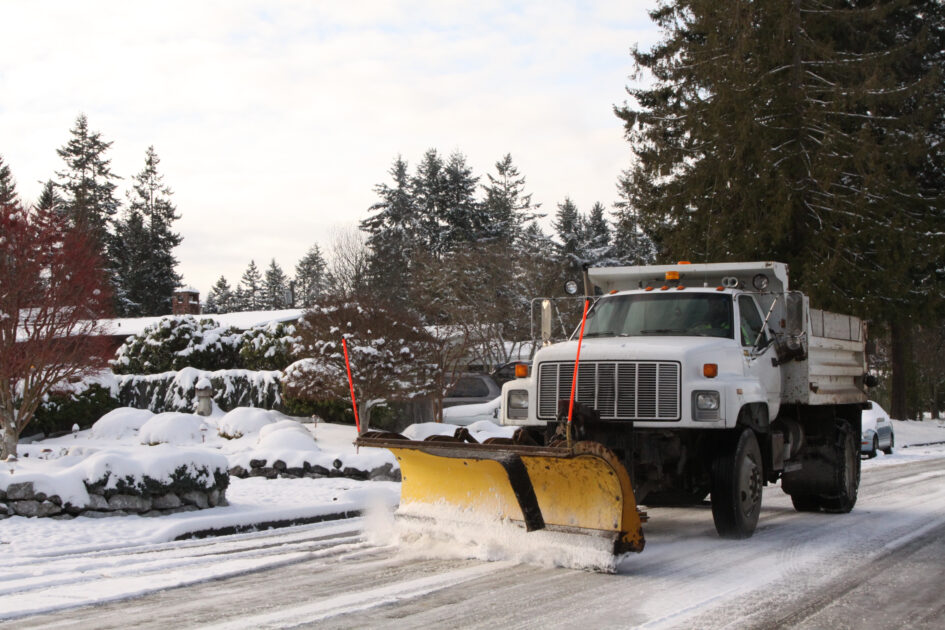
Snow – it’s beautiful to look at, fun to play in, but can be tough to live through. Whether it’s shoveling driveways, thawing windshields, turning the thermostat up to battle the chill, or bundling up to resist the icy gusts, we all have ways of fending off tricky winter storms as they roll across the U.S. – and natural gas is a crucial ally in that fight. And today, we’re sharing some ideas of how to stay safe, and maybe even enjoy a winter storm.
As you might expect, the colder it is, the more natural gas America requires. In winter storms from years past, natural gas demand even reached record highs on multiple consecutive days. Entering this winter, natural gas inventories are above the five-year average, helping ensure supply is available even during periods of peak demand. Natural gas has a few unique characteristics that make it excellently equipped to serve as the backbone of our energy system (especially during a winter weather event). Natural gas meets more than one-third of the United States’ total energy needs. The infrastructure used to distribute natural gas is particularly well suited to delivering during extreme weather conditions, as natural gas pipelines are predominantly underground. Falling tree limbs and harsh winds during ice storms simply don’t pose the same kind of threat to buried pipelines that they do to above-ground infrastructure – keeping vital fuel flowing reliably wherever it’s needed most.
Natural gas can also be stored safely and affordably for long periods of time, with natural gas being stored by AGA members to help ensure system reliability even during the most intense periods of demand. That means customers can rest assured that the natural gas they need for heat will be available. This storage capability is one reason natural gas demand and production continue to reach record highs nationwide.
Storage also helps keep customer prices lower – natural gas utilities can purchase gas many months in advance when prices are low and minimize temporary price fluctuations on customer bills driven by the cold temperatures. As a result of all the work companies do to prepare for the coldest months of the year, natural gas heating bills this winter are projected to be about eight percent lower than they were three years ago, even with colder weather in many parts of the country.
Cost is not the only area where natural gas utilities focus on their customers. Keeping people informed on what to expect, how to prepare, and what to do in the event of an emergency is a major priority for natural gas utilities before and during extreme winter weather. While programs like LIHEAP are fantastic, customers need to know they exist to be able to take advantage of them. AGA member companies work hard to help ensure that customers understand what resources exist and how to access them. Natural gas utilities aren’t the only messengers during extreme weather events. Natural gas utilities work closely with their regulators and community representatives to ensure that everyone has the most up to date information available.
Winter storms and severe weather impacts millions of Americans every year, and in no small part because of natural gas, most of those communities and families slept warmly and safely. This safe, reliable and affordable energy is the result of more than a century of lessons learned, hard work, and investments from the natural gas utilities – are advancing America’s energy system and infrastructure 24/7/365.